Day 1
Sydney~Beijing
Assemble at Sydney International Airport at 5:30 pm, take Air China flight CA174, and fly to Beijing at 7:40 pm.
Day 2
Beijing ~ Hohhot, the capital of Inner Mongolia
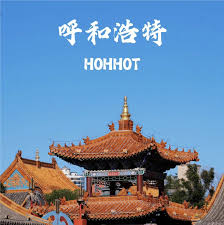
Arrive at Beijing Airport at 5:25 in the morning and transfer to CA1111, fly from Beijing to Hohhot, the capital of Inner Mongolia, China at 12:50 PM, arrive in Hohhot at 2:40 in the afternoon, pick up the airport and check into the hotel to rest, and enjoy the [Traditional Mongolian Welcome Dinner] for dinner. Including dinner, accommodation: 5-star hotel in Hohhot (Sheraton or Juhua International Hotel or similar)
Day 3
Xilamu Grassland~Lunch [[Mongolian-style hand-meat]]~Dinner [Grassland-style feast—Fake Horse Feast]
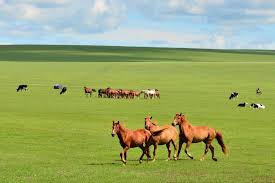
After breakfast in the hotel, drive to [Xilamu Grassland], which will take about 2 hours to arrive. Enjoy the welcome disembarkation wine and feel the enthusiasm and unrestrainedness of the grassland people; ride a horse on the grassland (minimum of 3 scenic spots on horseback, the fee is included); enjoy lunch [Mongolian style hand-meat], honorable hada and mellow white wine are presented during the banquet, and you can indulge in entertainment. The banquet, singing and dancing will make you feel that this is the ocean of song, the hometown of dance, and a paradise for relaxation. Stay in the grassland yurt camp. Free activities; enjoy dinner with [Prairie Style Dinner-Fake Horse Banquet] (fees included); enjoy the prairie bonfire party to relax and unwind. Breakfast, lunch and dinner included. Accommodation: Deluxe double yurt on the grassland.
Day 4
Kubuqi Desert Xiangshawan~Ordos
After breakfast, drive to [Xiangsha Bay of Kubuqi Desert]. It will take about 3 hours to arrive. Take the cableway (included) into the hinterland of the desert, and visit Xiansha Island by desert four-wheel drive (fees included). Tour route: cableway entrance - cableway - Xiangshawan Port-Shahai Yacht;-Xiansha Island (desert adventure and zip line, surfing and swing, orbital bicycle, high-altitude tightrope walking, global speed car, and the large-scale "Desert Acrobatic World". Then drive to Ordos, After dinner, check into the hotel, including breakfast, lunch and dinner. Stay at: Ordos 5-star hotel (Shuangman Huarui Hotel or similar)
Day 5
Genghis Khan Mausoleum ~ Kangbashi Tourist Area ~ Ulan Mulun Lake Musical Fountain ~ Ike Aobao
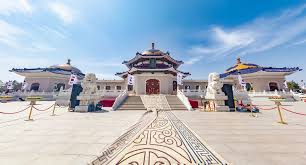
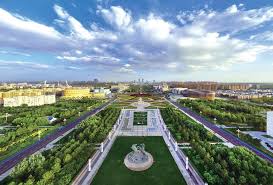
After breakfast, drive to visit Genghis Khan's Mausoleum. The Mausoleum of Genghis Khan covers an area of 55,000 square meters. It is shaped like three connected yurts with white walls and red windows. It retains the shape of the original yurt and eight white rooms. The main hall is 24.18 meters high, and the east and west halls are both 18 meters high. In the middle of the eaves of the mausoleum hangs the plaque "Mausoleum of Genghis Khan" inscribed by Ulanhu in 1985. The entire building can be divided into six parts: the main hall, the sleeping palace, the west hall, the east hall, and the east-west exhibition hall. In 1982, the Mausoleum of Genghis Khan was officially listed as a national key cultural relic protection unit. In 1985, the Mausoleum of Genghis Khan was officially opened to the public. Then we went to [Kangbashi Tourist Area], which is China's first 4A-level tourist attraction with urban landscape as the carrier. "The city is the scenic spot, and the scenic spot is the city." [Ulan Mulun Lake Musical Fountain]: Known as the world's first musical fountain , the water level reaches a maximum of 209 meters. The performance starts at 20:30 and lasts until 21:30. The view is super wide-angle and quite spectacular. [Ike Aobao]: Known as "China's No. 1 Aobao". With a total height of 57.4 meters and an area of 2,289 square meters, it is a spiritual symbol of the local people and a place for worshiping the mountain gods and road gods. Visit the strange-looking buildings and learn about the urban development of Ordos; then return to Hohhot and check into the hotel after dinner; breakfast, lunch and the famous Deshunyuan Shaomai dinner are included. Accommodation: 5-star hotel in Hohhot
Day 6
Inner Mongolia Museum ~ Saishang Old Street
After breakfast, visit [Inner Mongolia Museum] (closed on Mondays) and the Kangxi Emperor’s family temple [Dazhao Temple]. It was founded by Alatan Khan, the leader of the Mongolian Tumote tribe in the Ming Dynasty, in the seventh year of Wanli in the Ming Dynasty (1579 AD). . Completed in 1580 AD, it is the earliest Lamaist temple built in Hohhot and one of the few temples in Mongolia that does not have a living Buddha. Because Emperor Kangxi lived here for a few days, in order to show respect for the emperor, the monks canceled the reincarnation regulations of living Buddhas. Dazhao is not only a Buddhist holy place, but also a tourist attraction famous both at home and abroad. The splendid Zhaomiao architecture, precious cultural relics and artworks, as well as the mysterious Chamu dance and Buddhist music constitute the unique "Zhaomiao culture" of Dazhao. [Sai Shang Old Street] is located in the history and culture of Dazhao, Yuquan District, Hohhot City Within the tourist area is a commercial district with a history of hundreds of years. The entire block of buildings retains the Ming and Qing architectural styles. Breakfast and lunch included, including special noodles and northwest farm food for dinner. Accommodation: 5-star hotel in Hohhot
Day 7
Zhaojun Museum~Zhaojun Museum
After breakfast, go to visit [Zhaojun Museum] (closed on Tuesdays). Zhaojun Museum is composed of Wang Zhaojun’s tomb, a national key cultural relics protection unit, the Xiongnu History Museum, the Ancient Chinese Harmony Culture Center and other memorial facilities. It is a collection of cultural relics in the Hohhot market, A thematic museum that integrates research, display, education and sightseeing, it is a unique museum that comprehensively displays the story of "Zhaojun's Exodus from the Fortress" and Zhaojun's culture. Later, we visited the [Zhaojun Museum] to experience the modern management of the largest dairy industry in Mongolia; breakfast, lunch and lunch are included. Dinner with a series of Mongolian iron pot dishes. Stay at a 5-star hotel in Hohhot.
Day 8
Airport ~ Ulaanbaatar, the capital of Outer Mongolia
After breakfast, drive to Hohhot Airport to take flight CA753 at 10:10 am to Ulaanbaatar, the capital of Outer Mongolia, ending the Inner Mongolia leg of the trip. Arrive in Ulaanbaatar at 12:10 pm and check into the hotel after dinner. Stay: Ulaanbaatar 5 Diamond Hotel (Coptic Conference Center or similar)
Day 9
Ulaanbaatar - Genghis Khan Equestrian Statue - Terelj Nature Reserve
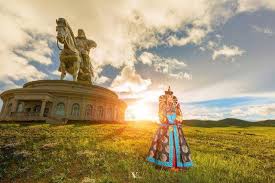
After breakfast, go to visit the 40-meter-high Genghis Khan statue (approximately 35 kilometers), the largest in the world. Visitors can take the elevator to the head of the war horse and enjoy the beautiful scenery of the grassland from a high altitude. This statue is a proposed nomadic nation. Part of a style-focused theme park where visitors can experience the food and accommodation habits of nomads, the statue also includes a small museum of military equipment from the Mongol Empire. Then head to a nature reserve in the Kent Mountains. Terelji Nature Reserve (35 kilometers), take a bus to enjoy the unique grassland scenery, mountain forest scenery, Sanyou Cave, turtle stone, dinosaur statues and other natural wonders, and then visit the Guanyin Bodhisattva Temple. Visitors can ride horses at their own expense through forests and grasslands. For lunch, taste stone barbecue, one of the oldest Mongolian dishes, and visit local herdsmen’s homes for cultural exchanges. dinner. Accommodation: Huns-style luxury yurt
Day 10
Terelj Nature Reserve - Genghis Khan Square - Genghis Khan Museum - Soviet Army Memorial Tower
After sleeping until you wake up naturally, go to Ulaanbaatar. Ulaanbaatar means red hero in Mongolian, and its old name is Kulun. The city combines different lifestyles of nomadic and urban life. It was founded in 1639 and is located in the Tula Valley at an altitude of 1,351 meters. The north and south sides are rolling mountains. The pines and cypresses on the mountains are evergreen all year round. The river flows under the mountains, and the weeping willows on both sides are picturesque. Green grasslands and four undulating mountains surround Ulaanbaatar, and the clear Tula River slowly sings its gurgling water through it, forming the most natural landscape painting. The Tula River passes through 8 provinces and cities, with a total length of more than 800 kilometers. Ulaanbaatar is home to more than one-third of Mongolia's population and is the political, economic, cultural, and commercial center of Mongolia. Welcome visitors. Go to hotel and check in. Lunch. In the afternoon, take a bus to tour the city. First, visit the important landmark of Ulaanbaatar - Suhwabaatar Square. The Soviet-style architectural style square was named in memory of the Mongolian independence hero Suhwabaatar, the founding father. In the center of the square stands the Suhwabaatar Square. The huge statue of Bato riding a horse and raising a whip is surrounded by the National Ceremony Palace, the Statue of Genghis Khan, the Post and Telecommunications Office, the City Hall, the Opera House, etc. It is a place for citizens to relax, gather, National Day military parade or hold a large concert. Then walk to the Genghis Khan Museum (500 meters from the square). The museum will open to the public in 2022 and will be selected as one of the 20 must-visit museums in the world in 2024. The museum combines advanced technologies such as augmented reality technology and virtual reality technology to display information related to Mongolia. Nearly 12,000 precious cultural relics related to history and scenes of major historical events are restored. Then visit the Soviet Army Memorial Tower built on Zaisan Mountain in the southern suburbs of Ulaanbaatar to commemorate the Soviet martyrs who died in the Battle of Kalk River in 1939. From here, you can overlook the panoramic view of Ulaanbaatar. dinner. Accommodation: 5 Diamond Hotel in Ulaanbaatar (Coptic Conference Center or similar)
Day 11
Ulaanbaatar—Nomad Tribe Resort—Ulaanbaatar
After breakfast, go to the Mongol Nomadic tribe (60 kilometers) to participate in the afternoon (10:00-12:00) activities, which mainly display the traditional Mongolian nomadic culture, including: welcoming tourists with Mongolian national etiquette, visiting Mongolian nomadic homes, Visit the nomadic culture and living conditions, entertain tourists with traditional nomadic food (milk tea, dairy products, kumiss, white wine, etc.), and enjoy a small banquet with performances such as morin fiddle and Mongolian songs, boxing, guessing, and antiphonal singing. Learn about the shepherding process of cattle, horses, and sheep, and visitors can personally milk goat and horse milk. Learn about horses, participate in the whole process of making and tasting dairy products and milk wine, participate in archery, folk games, felt rolling and leather rope making activities, appreciate ox carts, yak camels, camel carts, horse carriages and other daily transportation tools, and experience the national culture Various traditional projects such as clothing photography. Experience the simple and natural Mongolian nomadic life, and have lunch at the event site. In the afternoon, continue driving for 30 kilometers to reach the Hustai Wildlife Sanctuary. The Hustai Reserve has rolling green hillside prairie and is the world's largest breeding center for endangered Mongolian wild horses. The income is used for animal and environmental protection. The tour guide will take tourists by car to the depths of the reserve, where marmots are scattered in the grasslands, elk roam on the hillsides, and wild horses are always leisurely. In autumn, there are also groups of yellow sheep and prairie wolves. The locals say that only lucky people can see the prairie wolves, and those who can photograph them are even more lucky. Accommodation: 5 Diamond Hotel in Ulaanbaatar (Coptic Conference Center or similar)
Day 12
Ulaanbaatar - Ganden Monastery - Bogda Khan Palace - State-owned Building
After breakfast, proceed to visit Ganden Monastery, the largest Buddhist temple in Mongolia, which houses the largest bronze statue of Guanyin Bodhisattva in the world. The most eye-catching thing in Ganden Temple is the Guanyin Bodhisattva Hall. This temple was built from 1911 to 1913. It is the highest Buddhist temple in Ulaanbaatar. The huge Guanyin Bodhisattva in the hall is quite eye-catching. This Buddha is 25 meters high and weighs 20 tons. It is plated with gold and inlaid with a large number of gems. It is majestic and magnificent and is a national treasure of Mongolia. Lunch. Visit the Winter Palace of Bogda Khan. This palace was the winter residence of Jebtsundamba VIII, the last emperor of Mongolia. It was also the first two-story building in Mongolia. It still retains its original appearance. Founded in 1893, it is one of the most important historical monuments in Mongolia. Not a single nail was used in the entire building, and only 108 mortises were used. It is a traditional Chinese-style building. It was built with the approval of the Qing government, so the architectural style includes Mongolian and Tibetan styles and Chinese styles. The museum is eye-catching, with a rich collection of cultural relics, precious thangkas, Buddha statues, ritual instruments, and gifts from heads of state, all of which are historical treasures that are more than a century old. Among them are gold-lined clothes, robes made of 800 pearls, coats made of 80 fox skins, Mongolian robes made of 150 jaguar skins, and various valuable collections such as marine animal and elephant specimens. Then visit the state-owned building, silver jewelry store, etc. There are many Mongolian specialties in the state-owned building: leather products, Mongolian candy, European chocolate, Russian caviar, Japanese and Korean cosmetics, Mongolian vodka spirits, etc. dinner. Accommodation: 5 Diamond Hotel in Ulaanbaatar (Coptic Conference Center or similar)
Day 13
Ulaanbaatar-Beijing Jiuhuashan Hot Spring
After breakfast, transfer to Ulaanbaatar International Airport, take CA902, fly to Beijing at 11:50 AM, arrive at 1:50 PM. After pick-up, transfer to the local Jiuhuashan Hot Spring Hotel. Jiuhua Villa covers an area of more than 2,000 square meters It is a garden-style resort hotel with more than 2,300 guest rooms of different styles and nearly 5,000 beds; more than ten restaurants with different flavors and more than 9,000 seats. Jiuhua Villa has a variety of hot springs, entertainment and sports. Jiuhua Hot Spring Palace covers an area of 100 acres and is a large-scale and unique hot spring theme park in China. The palace is lined with green trees, and the scenery changes as you move around. There are nearly a hundred hot spring pools of various sizes, as well as outdoor hot spring swimming pools, indoor hot spring swimming pools and other facilities. It brings together ancient and modern Chinese and foreign bathing culture classics, and provides special hot spring baths, hot spring medicinal baths, Hot spring swimming, hot spring sauna and various health care, beauty and other services. (Includes hot spring admission, individual activities, meals and drinks at your own expense)
Day 14
Free time~ Return to Sydney or other Australian cities at the airport
Free time at the Beijing Hot Spring Hotel until 2pm. We will take you to Wangfujing District in Beijing by private car. You can freely visit Tiananmen Square, Wangfujing Pedestrian Street, Taimiao Temple, Oriental Plaza, etc. You can enjoy the famous Quanjude Roast Duck for dinner at your own expense. Afterwards, transfer to the airport. Flight C173 flies back to Sydney or other Australian cities
*Welcome to continue your next 16-day trip to three or five countries in Central Asia, please inquire with us*
Day 15
Sydney, capital of New South Wales, Australia
Flight C173 took off at 01:10 AM and arrived in Sydney at 2:50 PM.