After the Central Coast, we will now introduce you to the famous Hunter Valley Wine Region in the last episode.
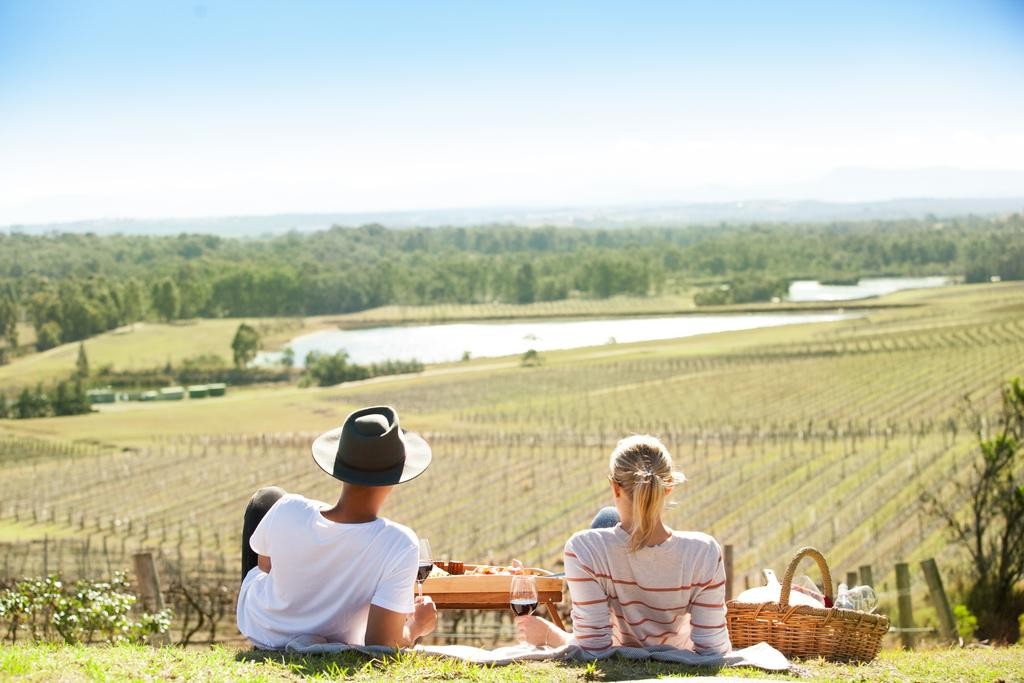
The Hunter Valley, just an hour's drive north of Sydney, is the largest river valley in New South Wales. The Hunter Valley is the largest river valley in New South Wales, Australia's most famous tourist mecca, and Australia's oldest and finest wine producer. Although the production of wines here is not very large, the quality and reputation of the wines are unquestionable.
Aboriginal History.
The Wonnarua (“people of the hills and plains”) were the first inhabitants of the (Coquun) Hunter Valley, the Worimi on the north-east coast and the Awabakal on the south-east coast. The Woronaru have occupied the Upper Hunter Valley for at least 30,000 years.
First Discovery
European colonists first saw the Hunter River in 1797 when Lieutenant John Shortland stumbled upon it while searching for fugitives. The Hunter Valley's original value was to provide timber and coal for steamboats, and in 1820 John Howe discovered the first overland route to the Hunter, and in 1823 a road was built mainly along the road from Winsor in Windsor to Singleton in Singleton.
Old Pacific Highway
The first road between Sydney and Newcastle crosses the Hawkesbury River at Wiseman's on the ferry, then passes through the extent of Judge Dowling's Range to Buckty, and thence to Wollombi, where it runs north to the Jerrys Plains (between Muswellbrook and Singleton), and east to the Jerrys Plains (between Muswellbrook and Singleton). One section extended north to the Jerrys Plains (between Muswellbrook and Singleton) and the other east to Newcastle via Cessnock and Maitland. Built by convicts in 1826 and 1836, many of the original features built by the convicts can still be seen as visitors travel along the Great North Road; travel route 33 to Wallaby. You can download a map of convict ruins along this route at greatnorthroad.com.au.

Early History of the Vineyard (1820 - 1900)
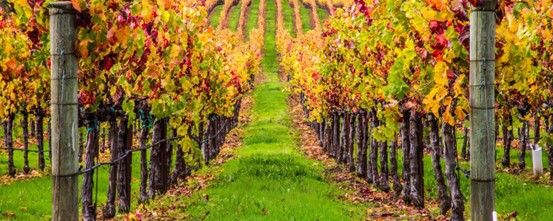
By 1823, some 20 acres of vineyards had been planted on the north bank of the Hunter River and in the Dalwood/Gresford area between Maitland and Singleton. Early pioneers of the Hunter Valley's long history of winemaking were George Wyndham of Dalwood, William Kelman of Kirkton and James King of Elavon.
The future of the Hunter Valley was further fuelled by the arrival of viticulturist James Busby; after an extensive tour of European wine-growing regions, he returned to colonial New South Wales with some 500 grapevine cuttings taken from collections and private plantations. It was copies of these sprigs that established the reputation of Hunter Valley viticulture; when Busby's brother-in-law, William Kelman, was granted the first Crown lands at Kirkton on the Hunter River. By 1840 there were over 500 acres of registered vineyards in the Hunter Valley, and in the second half of the 19th century four families established vineyards here; the Tyrrell, Tulloch, Wilkinson and Drayton families, and the famous Henry.
History of the Modern Vineyard (1900 - 1970)
By 1930, the Porcupine region had established a reputation for high quality wine production. A group of qualified winemakers, led by Maurice O'Shea of Mount Pleasant and Ben Ean of Lindeman's, enhanced the Hunter Valley's reputation in Sydney and Melbourne. After a decline in vineyard activity, Dr Marks Lake established the first newly planted vineyard in 1963.
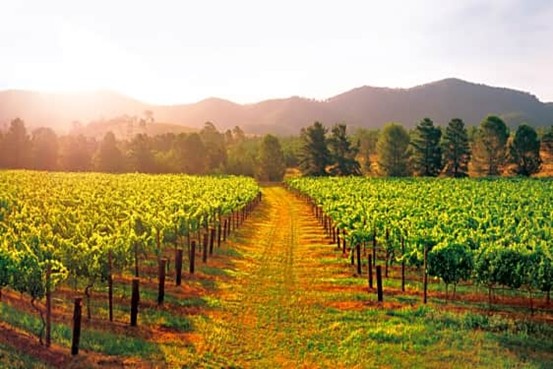
Today's Hunter Valley
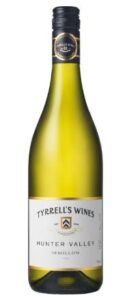
Today, the Hunter Valley is one of Australia's most famous wine regions; a place that produces a wide variety of fine wines that reflect their place of origin. Hunter Valley Semillon enjoys a very special place in the world's wine industry and, as Australian award-winning wine writer Campbell Mattinson puts it, “it produces wines that are recognised as being among the world's best benchmarks.” This is the same reputation enjoyed by Burgundy, Bordeaux and Champagne.
Hunter Valley Wine Region
Once divided into two parts, the Upper and Lower Hunter Valley are very similar in terms of climate and terrain. The Hunter Valley is located in the northern part of the region and the weather is very hot, so hot that the Upper Hunter is unable to produce any fine style of wine. It also receives little rainfall, but heavy rainfall during the harvest season, which not only makes the grapes susceptible to disease and rot, but also dilutes the concentration of the grapes with too much water. However, this harsh environment is one of the most favourable aspects of the Hunter Valley, and has resulted in the creation of unique and classic wines that are renowned throughout the valley.
Hunter Valley Grape Varieties
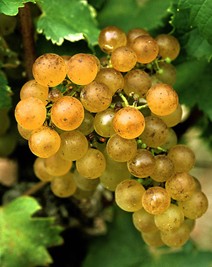
There are quite a lot of grape varieties here, the most important ones are: Semillon; shiraz; Chardonnay; Cabernet Sauvignon, etc. The most classic white wines in the valley are Sémillon and Shiraz, which are acidic, refreshing and durable. Sémillon is acidic, refreshing and firm, while Shiraz is delicate, charming and gentle, making it one of the most famous wines in New South Wales and even in Australia.
Hunter Valley Wine Features
The region's unoaked Semillon is a classic Aussie wine with high acidity and a long finish, harvested early and made from relatively low alcohol wines that are lively, fresh and lemony when young. With a period of maturation, the wine develops a classic golden hue with complex aromas of toast and honey. The region's unique Shiraz is soft and flavourful, with a medium body and aromas of leather and truffle. The region also produces a rich peach-coloured Chardonnay and a tropical Verdelho.
Hunter Valley Food Centre (Top 8 Must Try Restaurants).
- BISTRO MOLINES, MOUNT VIEW
Following Robert Molines's death more than 40 years ago inHunter ValleyOpening his first restaurant, no one else has built the Hunter Valley dining scene like he has. The latest attempt isBistro MolinesThe restaurant shows off his Provençal colours. If you're travelling to the region, don't miss the rabbit with mustard and olives or the beef ribs braised in red wine. Remember to save room for the cheese platter for a taste of the finest cuisine.
- PocoBing((POKOLBIN) EXP RESTAURANT
EXP RestaurantChef Frank Fawkner brings you the most adventurous dining experience in the Hunter Valley.
PocoBing(used form a nominal expression)MUSE RESTAURANT
Hungerford HillOne of the most modern wineries in Hunter Valley, it's appropriate to photograph Troy Rhoades-Brown's delicate bowls andMuse RestaurantThe world's flavourful cuisine.
- PocoBing(used form a nominal expression)MUSE KITCHEN
Some chefs' greatest wish is to run one of the best restaurants like Hunter. However, Troy Rhoades-Brown likes to go above and beyond. His second eatery is located inKeith Tulloch Wine(used form a nominal expression)Muse KitchenThe restaurant offers a wide range of casual dining options and doesn't skimp on premium ingredients.
- PocoBing(used form a nominal expression)CIRCA 1876.,
Imagine your favourite restaurant for Sunday lunch, and there's a good chance you'll coincidentally haveCirca 1876Housed in a traditional cottage overlooking a thriving kitchen garden, Circa 1876 combines rustic comfort with fine dining, with diners choosing from two to seven courses, depending on how hungry they are.
- PocoBing(used form a nominal expression)GOLDFISH BAR & KITCHEN.,
- BROOKE (MARGAN RESTAURANT (BROKE)
- PocoBing(used form a nominal expression)SABOR IN THE HUNTER